Category Archives: Living with Hep B

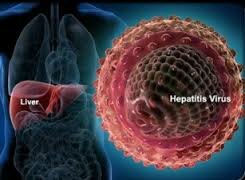
Antiviral Therapy May Prevent Liver Cancer in Hepatitis B patients

FacebookTwitterLinkedInPinterestEmailShare

images-2

Useful confirmation of what we already thought was true. Good news…

(HealthNewsDigest.com) – DETROIT, June 9, 2014  –

Researchers have found that antiviral therapy may be successful in preventing hepatitis B virus from developing into the most common form of liver cancer, hepatocellular carcinoma (HCC).

That was the finding of a study published in the May issue of Clinical Gastroenterology and Hepatology. Investigators from Henry Ford Health System in Detroit, Geisinger Health System in Danville, Pa., and Kaiser Permanente in Honolulu, Hawaii and Portland, Ore. participated in the study, along with investigators from the Centers for Disease Control and Prevention in Atlanta.

According to the first-of-its-kind analysis of more than 2,600 adult participants with hepatitis B, those treated with antiviral therapy had a significantly lower occurrence of HCC during a five-year follow up period. Overall, 3 percent of patients developed HCC during the study’s timeframe. But patients who received antiviral therapy were 60 percent less likely to develop HCC than untreated patients.

“The results of this study allow us to reassure our patients that we are not just treating their viral levels, but that antiviral therapy may actually lessen their chance of developing liver cancer,” said the study’s lead investigator, Henry Ford Health System’s Stuart C. Gordon, M.D., who worked closely with Henry Ford Senior Scientist Mei Lu in Detroit. Continue reading here.


HBV Journal Review – May 2014

FacebookTwitterLinkedInPinterestEmailShare

ChrisKHBF is pleased to connect our blog readers to Christine Kukka’s monthly HBV Journal Review that she writes for the HBV Advocate. The journal presents the
 latest in hepatitis B research, treatment, and prevention from recent academic and medical journals. This month, the following topics are explored:

  • Adding Interferon to Ongoing Antiviral Treatment Is Highly Successful
  • Vitamin E Helps HBV-Infected Children Lose HBeAg, Reducing Liver Damage
  • Common Chinese Toad May Hold the Key to Preventing and Treating Liver Cancer
  • Even at Top Hospitals, Doctors Fail to Treat Hepatitis B Patients Properly
  • Study Finds Doctors More Likely to Treat Hepatitis B in Men Than Women
  • Study Confirms Doctors Frequently Fail to Screen and Vaccinate Those at Risk
  • Antiviral Treatment Dramatically Improves Liver Cancer Test Accuracy
  • $50 Cash Incentive Increases HBV Immunization 12-Fold
  • Hepatitis B and C Cause Ten-Times More Deaths Than HIV in Europe

HBV Journal Review
May 1, 2014
Volume 11, Issue 5
by Christine M. Kukka

Adding Interferon to Ongoing Antiviral Treatment Is Highly Successful 

Adding pegylated interferon to ongoing antiviral treatment produced remarkable rates of hepatitis B “e” antigen (HBeAg) loss and even hepatitis B surface antigen (HBsAg) loss, according to a study presented at the International Liver Congress held in London in April.

Eighty-three HBeAg-positive patients in China, who had been on antivirals for more than two years, had 48 weeks of interferon treatment added to their treatment regimen. A control group continued on only antivirals:

  • 60% of the group treated with add-on interferon lost HBeAg and their viral loads dropped below 2,000 IU/mL. In contrast, only 13.8% of patients treated with only antivirals achieved those benchmarks.
  • 27.7% of patients in the combination treatment group lost HBsAg. No one in the antiviral group lost HBsAg.
  • All patients who had low HBsAg levels (less than 1,000 IU/mL) at the start of interferon treatment achieved HBeAg loss and 91% cleared HBsAg.

” Sequential combination therapy of (antivirals) and pegylated interferon effectively resulted in high rates of complete response and HBsAg loss in patients with prior long-term exposure to (antivirals),” researchers wrote. (Abstract 0117)

Another study exploring the benefits of sequential antiviral and interferon treatment found that HBeAg-positive patients who had been on antivirals for three years or longer also experienced high rates of HBeAg loss and development of “e” antibodies (HBeAg seroconversion) when their antivirals were replaced with pegylated interferon.

At week 48, the HBeAg seroconversion rate in the interferon-treated group was 66.67% compared to 2.5% in the antiviral group. (Abstract P1071)

A third study from India also found notable improvements when pegylated interferon was added to ongoing tenofovir treatment. Sixty patients were treated with tenofovir for 12 weeks (300 mg daily), then:

  • One group had pegylated interferon added to the ongoing tenofovir regimen for 24 weeks, and then were followed for another 28 weeks.
  • The other half continued their tenofovir treatment for 52 weeks.

Sixty percent of the interferon-plus-tenofovir group achieved healthy liver health, with normal alanine aminotransferase (ALT) levels, compared to 30% in the tenofovir-only group. The combination-treatment group also experienced greater viral load (HBV DNA) declines and HBeAg seroconversion (53.3% vs. 23.3% in the antiviral-only group).

“Sequential therapy using tenofovir and pegylated interferon may provide rapid and high biochemical and virological response in selected HBeAg-positive patients,” researchers noted. “Long-term clinical trials are needed to assess (the) sustained durable response.” (Abstract P1092)

Source: www.hbvadvocate.org/EASL_2014_
Abstracts.pdf

Vitamin E Helps HBV-Infected Children Lose HBeAg, Reducing Liver Damage

A small study, presented at the 2014 Liver Congress found that HBeAg-positive children who were treated with vitamin E (15 mg/kg/daily) for 12 months achieved higher rates of HBeAg conversion, lower viral loads and normal ALT levels than did untreated children.

Continue reading the HBV Journal Review… 


HBV Journal Review – April 2014

FacebookTwitterLinkedInPinterestEmailShare

ChrisKHBF is pleased to connect our blog readers to Christine Kukka’s monthly HBV Journal Review that she writes for the HBV Advocate. The journal presents the
latest in hepatitis B research, treatment, and prevention from recent academic and medical journals. This month, the following topics are explored:

  • Despite Antiviral Treatment, Liver Cancer Risk Persists
  • Vitamin D Appears to Help Prevent Liver Cancer
  • Dandelions May Be the Next Best Herbal Treatment for Hepatitis B
  • Kidney Problems Are Prevalent with Hepatitis B Even Before Treatment Starts
  • HBV Genotype H Appears to Cause Immediate Chronic Infection in Adults
  • HBV Genotype E Has the Worst Response to Pegylated Interferon
  • Cancer-Causing YMDD Mutations Found Frequently in HBV Genotype C
  • High Iron Levels Found in Patients with Liver Failure
  • Vietnamese-Americans at High Risk of Undiagnosed Hepatitis B and C
  • Entecavir Performance Is Mediocre in Lamivudine-Resistant Patients
  • A Simple Platelet Count Test Could Be Best Indicator of Fibrosis

HBV Journal Review
April 1, 2014
Volume 11, no 4
by Christine M. Kukka

Despite Antiviral Treatment, Liver Cancer Risk Persists
Researchers have hoped that treating hepatitis B patients with antivirals would reduce both their viral loads and their liver cancer risk. However, a new study that followed 1,378 treated and 1,014 untreated patients over five years found antivirals did not reduce liver cancer rates as hoped.

The study tracked new liver cancer cases among patients infected with the hepatitis B virus (HBV) (average age 47, 65% male) who had been treated primarily with entecavir (Baraclude) for their high viral loads and liver damage. They compared that group’s liver cancer occurrence to those of patients whose “inactive” HBV infection did not require treatment.

Among the treated group, 70 patients (6.2%) developed liver cancer during the study period compared to only 11 (1.1%) in the untreated group. Notwithstanding  the ability of antivirals to reduce viral load, a life-long history of HBV infection and liver damage appeared to increase cancer risk, despite the reduction in viral load later in life.

What is especially disappointing is that liver cancer developed even in treated patients who had no history of cirrhosis (severe liver scarring) which increases cancer risk. Among the antiviral-treated patients:

  • • 20 of 223 HBeAg-negative patients who had cirrhosis at the start of treatment developed liver cancer.
  • • 15 of 316 HBeAg-negative patients who had no cirrhosis also developed liver cancer.
  • • Among the treated patients who developed liver cancer, 30 were positive for the hepatitis B “e” antigen (HBeAg) and 30 were HBeAg-negative.

How well the antiviral worked in patients also determined who remained cancer-free. Of the 246 patients who failed to achieve low or undetectable viral loads as a result of treatment, 36 (18.8%) patients developed liver cancer over the five-year study.

The risk of cancer was increased overall by male gender, underlying cirrhosis and older age in the treated group. Curiously, having high viral loads (HBV DNA) at the start of treatment did not appear to increase liver cancer risk.

The key message for doctors is that liver cancer risk remains despite a dramatic reduction in viral load, researchers noted. “…Patients on (antiviral) treatment that effectively suppressed viral replication are still at higher risk of liver cancer compared with patients with inactive stage chronic hepatitis B,” they concluded in the study published in the March issue of the journal Gut.

Persistent liver damage before the start of antiviral treatment, evidenced by elevated alanine aminotransferase (ALT) levels, may predispose patients to liver cancer, they also noted.

“The inactive group may have more intact immune response to HBV and therefore may also have entered the inactive stage early in life, with a shorter period of high viral replication and active hepatitis,” they wrote.

Source: www.ncbi.nlm.nih.gov/pubmed/24615378

Vitamin D Appears to Help Prevent Liver Cancer
Recent studies show a diet rich in vitamin D can improve liver health in patients with hepatitis B. A new study from Emory University in Atlanta finds that people with high vitamin D levels have lower rates of liver cancer.

The researchers examined vitamin D levels and liver cancer risk among 520,000 participants in the European Prospective Investigation into Cancer and Nutrition between 1992 and 2010.

Continue reading this review and additional HBV related reviews for March

HBV Journal Review – February 2014

FacebookTwitterLinkedInPinterestEmailShare

ChrisKHBF is pleased to connect our blog readers to Christine Kukka’s monthly HBV Journal Review that she writes for the HBV Advocate. The journal presents the
latest in hepatitis B research, treatment, and prevention from recent academic and medical journals. This month, the following topics are explored:

  • Tests for Antigens and Drug-Resistant Virus Emerge as Valuable Diagnostic Tools
  • Experts Issue a Report Card on Side Effects from Antivirals
  • Experts Weigh in on Why They Prefer Either Antivirals or Interferon
  • Doctors Explain Which Medical Guidelines They Follow, Or Ignore
  • Truvada Effective in Lowering Viral Load in Young Adults with High Viral Load
  • Hepatitis B Causes Most Liver Cancer Deaths in China
  • Smoking Shortens Survival after Liver Cancer Surgery

 HBV Journal Review

February 1, 2014
Vol 11, no 2
by Christine M. Kukka

Tests for Antigens and Drug-Resistant Virus Emerge as Valuable Diagnostic Tools

Measuring the amount of hepatitis B surface antigen (HBsAg) in your bloodstream or conducting quick tests for drug-resistant hepatitis B virus (HBV) may soon be part of your office visit in the brave new molecular world of hepatitis B treatment.

Doctors increasingly are measuring HBsAg levels to determine if treatment is needed or if current medications are working. HBsAg tests—along with measuring alanine aminotransferase (ALT) for signs of liver damage and HBV DNA for viral load—may become essential tools to assess hepatitis B progression or remission.

HBsAg is the protein that makes up the outer covering of HBV. When a patient has a high viral load (and is positive for the hepatitis B “e” antigen—HBeAg), there are often large quantities of HBsAg circulating in the blood stream. When viral replication slows and HBeAg disappears, there can be lower quantities of HBsAg.

But experts are learning that high HBsAg levels can increase cancer risk, even in HBeAg-negative patients, according to a study published in the journal Annales de Biologie Clinique. (1) As a result, there is heightened attention on HBsAg as a key indicator of a patient’s health. For example:

  • In HBeAg-negative patients, HBsAg levels less than 1,000 international units per milliliter (IU/mL) along with low viral load (HBV DNA) under 2,000 IU/mL indicate the patient is an “inactive” patient.
  • When patients are treated with pegylated interferon, doctors can tell if the treatment is working if there is a decline in HBsAg levels within 12 weeks. This early indicator can save money if the drug isn’t working and help to avoid uncomfortable side effects. Doctors recommend patients with genotypes B and C should stop interferon at week 12 if their HBsAg levels remain at 20,000 UI/mL or higher.

Another team of French researchers, also exploring the implications of HBsAg in an article published in the February 2014 issue of the journal Liver International, suggest that as HBsAg levels decline, so does the risk of liver cancer.

They also suggest that during antiviral treatment, a rapid decline in HBsAg may indicate which patients will eventually clear HBsAg. A 100-fold decline or more of HBsAg over six months of treatment, “… could be a marker of a sustained response after treatment cessation,” they wrote.(2)

In another diagnostic breakthrough, researchers writing in the December journal of Clinical Molecular Hepatology promoted the value of a HepB Typer-Entecavir kit that can precisely detect HBV that have viral mutations that can “resist” the antiviral drug entecavir (Baraclude). This diagnostic tool allows doctors to select the most effective antiviral for each individual patient based on the molecular makeup of their HBV.(3)

1. Source: www.ncbi.nlm.nih.gov/pubmed/24235324  
2. Source: www.ncbi.nlm.nih.gov/pubmed/24373085  
3. Source: www.ncbi.nlm.nih.gov/pubmed/24459645

Experts Issue a Report Card on Side Effects from Antivirals
Hong Kong researchers evaluated the side effects of commonly-used antivirals in the December 2013 issue of the Journal of Gastroenterology and Hepatology. Antivirals disrupt the genetic make-up of HBV, making it difficult for the virus to replicate. While generally safe, patients must take antiviral pills daily over several years and side effects include damage to the mitochondria of the body’s cells (called mitochondria toxicity.)

Continue reading this and additional studies for Februrary

HBV Journal Review – January 2014

FacebookTwitterLinkedInPinterestEmailShare

HBF is pleased to connect our blog readers to Christine Kukka’s monthly HBV Journal Review that she writes for the HBV Advocate. The journal presents the
 latest in hepatitis B research, treatment, and prevention from recent academic and medical journals. This month, the following topics are explored: Continue reading